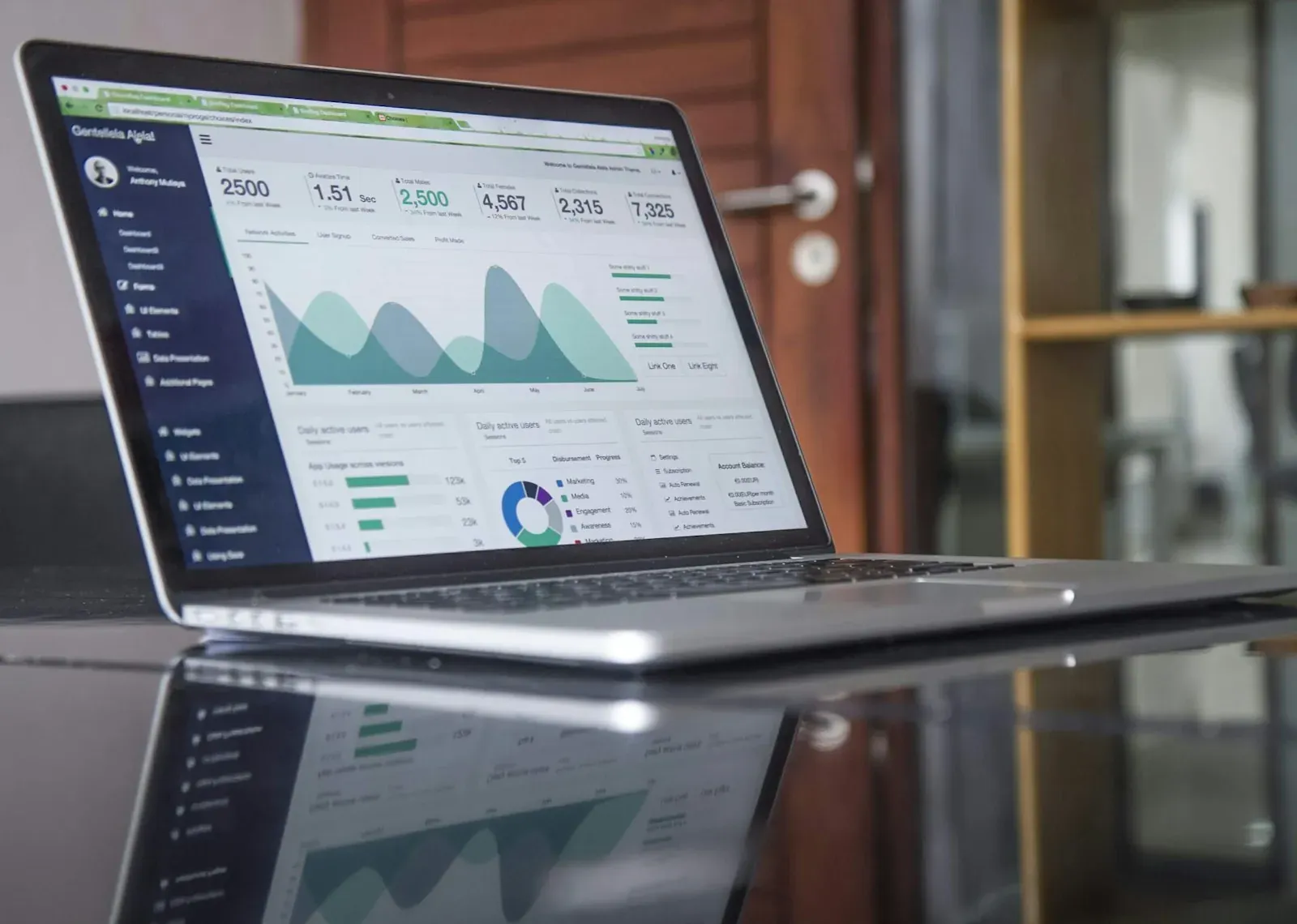
In today's competitive e-commerce landscape, performance is not just a technical metric it's a business imperative. A slow-loading SuiteCommerce site can significantly impact your conversion rates, customer satisfaction, and search engine rankings. In this comprehensive guide, we'll explore proven strategies to optimize your SuiteCommerce Advanced site for peak performance.
Studies show that a 1-second delay in page load time can result in a 7% reduction in conversions. For an e-commerce site generating $100,000 per day, that's potentially $2.5 million in lost sales annually. The stakes are high, but the good news is that with the right optimization strategies, you can dramatically improve your site's performance.
Understanding Core Web Vitals
Google's Core Web Vitals are a set of metrics that measure real-world user experience on your site. These metrics directly impact your search rankings and consist of three key measurements:
- Largest Contentful Paint (LCP): Measures loading performance. Aim for LCP to occur within 2.5 seconds of when the page first starts loading.
- First Input Delay (FID): Measures interactivity. Pages should have an FID of 100 milliseconds or less.
- Cumulative Layout Shift (CLS): Measures visual stability. Pages should maintain a CLS of 0.1 or less.
For SuiteCommerce sites, meeting these thresholds requires careful attention to how your site loads resources, handles JavaScript, and renders content. Let's dive into specific optimization techniques.
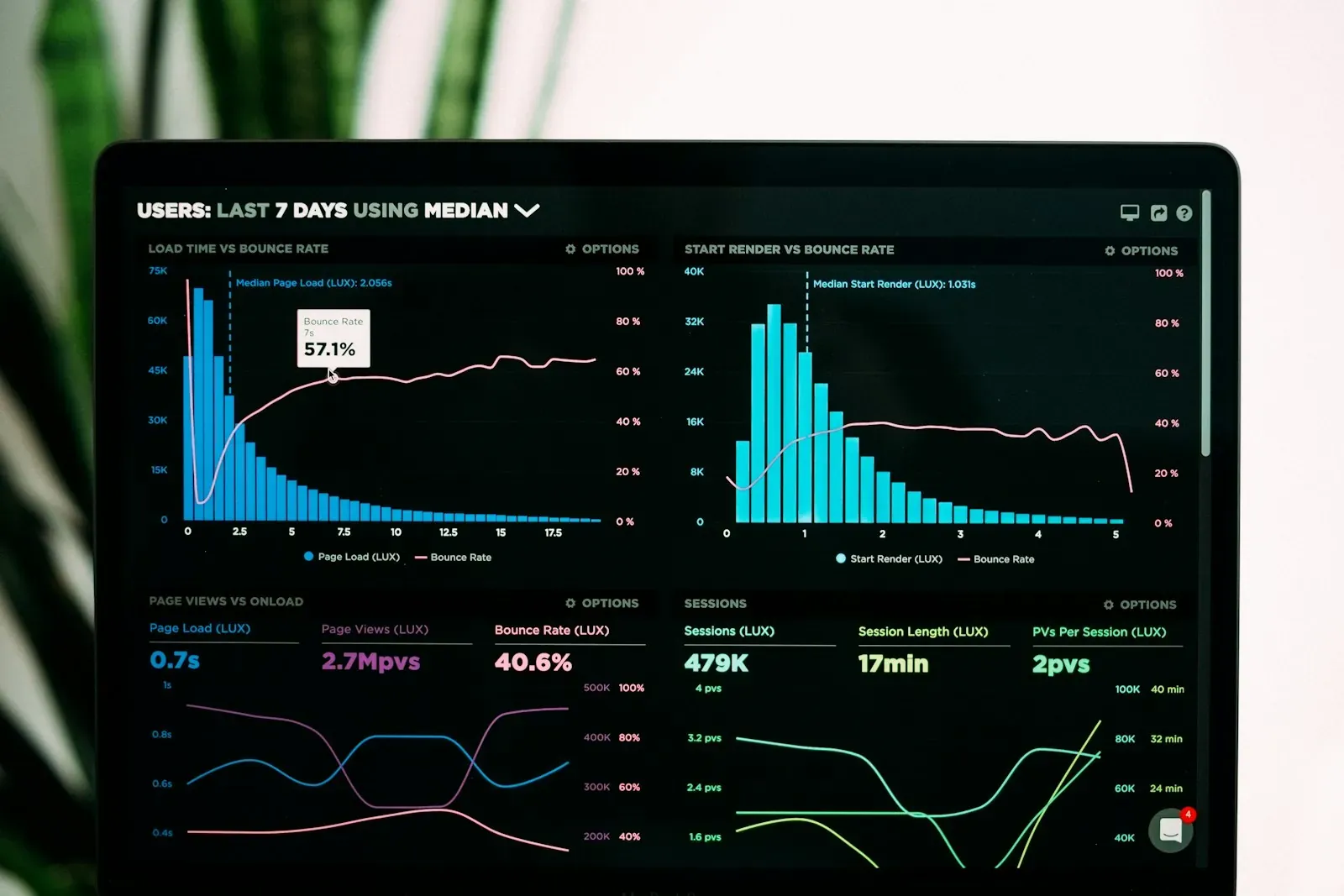
Essential Optimization Techniques
Optimizing a SuiteCommerce site requires a multi-faceted approach. Here are the most impactful techniques you should implement:
1. Image Optimization
Images typically account for 50-70% of a page's total weight. Proper image optimization is crucial for performance:
- Use modern image formats like WebP with fallbacks for older browsers
- Implement responsive images with srcset to serve appropriate sizes
- Lazy load images below the fold using native loading="lazy"
- Compress images without losing quality (aim for 80-85% quality)
- Set explicit width and height attributes to prevent CLS
- Use a CDN to serve images closer to your users
// Example: Responsive image implementation
<img
  src="product-800w.webp"
  srcset="
    product-400w.webp 400w,
    product-800w.webp 800w,
    product-1200w.webp 1200w
  "
  sizes="(max-width: 640px) 400px, (max-width: 1024px) 800px, 1200px"
  alt="Product Name"
  width="800"
  height="600"
  loading="lazy"
/>
2. JavaScript Code Splitting
SuiteCommerce Advanced applications can become JavaScript-heavy. Code splitting helps reduce the initial bundle size:
- Split code by routes to load only what's needed
- Defer non-critical JavaScript execution
- Use dynamic imports for large modules
- Remove unused dependencies and dead code
- Minify and compress JavaScript files
In SuiteCommerce Advanced, you can leverage the module system to create lazy-loaded chunks that only load when specific features are accessed.

3. Caching Strategies
Effective caching can dramatically reduce server load and improve response times:
- Browser Caching: Set appropriate cache headers for static assets (CSS, JS, images)
- CDN Caching: Leverage a CDN to cache and serve content from edge locations
- Application Caching: Cache API responses and database queries where appropriate
- Service Workers: Implement service workers for offline support and faster repeat visits
Monitoring & Testing
Continuous monitoring is essential to maintain optimal performance:
- Use Google PageSpeed Insights to measure Core Web Vitals regularly
- Implement Real User Monitoring (RUM) to track actual user experience
- Set up performance budgets and alerts for regressions
- Conduct regular performance audits using Lighthouse
- Test on real devices and network conditions
Remember, performance optimization is not a one-time task—it's an ongoing process. As you add new features and content, continue to monitor and optimize your site's performance.
Key Takeaways
- Performance directly impacts conversion rates and revenue
- Focus on Core Web Vitals: LCP, FID, and CLS
- Optimize images—they're often the biggest performance bottleneck
- Implement code splitting to reduce initial bundle size
- Use caching strategically at multiple levels
- Monitor continuously and set performance budgets